CSG LANDSCAPING INSIGHTS

Find all the latest CSG Landscaping news and insights below.

Green walls

Do indoor plants increase productivity in the workplace? 3 subtle ways they make a big difference

If you’ve ever wondered, do indoor plants increase productivity in the workplace? The answer is: they can — because they influence stress, focus, and the way a space feels to everyone inside it. As the working world evolves, offices are moving away from sterile, boxed-in spaces toward environments that feel more human — open, collaborative, and designed to help people do their best work. One of the simplest upgrades you’ll notice in modern workplaces? Indoor plants. Below are three subtle (but powerful) ways indoor plants can lift productivity without you needing to change your entire office. 1) Indoor plants can lower stress and improve mood Greenery has a calming effect. There’s something about natural colour, texture, and “life” in a room that makes a space feel more comfortable and less clinical. In practical terms, calmer people tend to: think more clearly communicate better handle pressure more effectively stay engaged for longer stretches If your goal is a work environment that supports steady performance (not just bursts of energy), adding indoor plants is one of the easiest wins. 2) Indoor plants can help your office feel fresher and more energising Offices can easily feel stale — especially if windows stay closed, aircon runs constantly, and teams spend full days indoors. That “heavy” feeling often shows up as low energy, brain fog, and poor concentration. Indoor plants help by bringing a natural element into spaces dominated by screens, artificial light, and recycled air — which can make the workplace feel more comfortable, inviting, and easier to focus in. 3) Indoor plants can upgrade how your business is perceived First impressions matter — not only for clients, but for staff too. A workspace that looks cared for signals: professionalism attention to detail pride in your environment a people-first culture A few well-placed indoor

Read More

Evergreen Sports Field

Maintaining an evergreen sports field is a completely different game to caring for a garden lawn. A sports surface needs to be consistently even, safe underfoot, and predictable in play — more like a well-finished floor than a typical patch of grass. When a field has bumps, bare patches, soft spots, or uneven density, it doesn’t just look bad — it can affect performance, increase injury risk, and change how the game plays. And when the pitch influences a match, everyone notices: players, coaches, spectators, and decision-makers who book (or don’t book) your facility. Why an Evergreen Sports Field Impacts Your Bottom Line Schools, clubs, stadiums, and multi-use sports facilities are often judged by the standard of their turf. A consistently strong surface supports better play, protects your reputation, and keeps bookings and usage consistent. Key performance traits of an evergreen sports field include: Rigidity – resists compression and handles impact Elasticity – rebounds after play and wear Resistance – tolerates heat, drought, and seasonal stress Recuperative capacity – regrows quickly and evenly Yield – produces dense, thick turf cover Verdure – stays healthy, green, and visually strong Rooting – develops a stable root zone for drainage, nutrient uptake, and long-term resilience (with reduced thatch over time) Even small surface imperfections — mounds, thin areas, dead patches, overly lush sections — can interfere with footing and ball behaviour. The Reality: Smoothness Is the Hardest Part One of the most common challenges in sports turf is maintaining a perfectly level, consistent surface throughout a season. Ongoing games compact soil, traffic wears patterns into the turf, and irrigation or drainage inconsistencies can make one area thrive while another struggles. That’s why structured seasonal interventions matter. CSG Sports Field Spring Treatments CSG Landscaping has years of experience maintaining high-performance sports turf, and spring

Read More

Greener Spaces in Commercial Property: Good for the Planet, Great for Business

Greener spaces in commercial property don’t just benefit the environment – they’re increasingly proving to be a smart business strategy. From the immediate, intangible benefits of tenant well-being to long-term financial returns for investors, green, well-designed outdoor and indoor environments are becoming a key differentiator in competitive property markets. There is a clear and growing demand for greener spaces in commercial property, and the data backs it up. RICS – a globally recognised professional body known for its standards and insights – recently found that around 35% of survey participants globally believe that green buildings achieve higher rental rates than comparable non-green buildings. In other words, being environmentally sound is no longer a “nice to have”; it’s becoming a core development and asset-management strategy. Why Greener Spaces Make Commercial Sense Advances in technology, design and access to specialist service providers mean it’s never been easier for commercial property owners to: Draw less power from the grid Reduce their carbon footprint Manage water usage more intelligently Create healthier, more appealing tenant environments All of these contribute to lower operating costs, stronger tenant retention and improved asset value over time. So, how do you practically incorporate greener spaces into your commercial property? Landscaping: Sustainable Design From The Ground Up Landscaping is where nature and people meet – and when done well, it turns open areas into functional, beautiful and sustainable spaces. Our landscape specialists can design and create: Public parks and green courtyards Campus and corporate office park landscapes Residential estate gardens and shared green belts Rehabilitated or reclaimed landscapes and wetlands Sustainability sits at the heart of our approach. Whether we’re designing a new landscape or improving an existing one, our focus includes: Water-wise, climate-appropriate planting Cost-effective, energy-efficient and environmentally sound solutions Recycling green waste (e.g. turning debris into mulch) Smarter

Read More
Paving Services

Hardscaping and Landscaping: What’s the Difference?

What is the difference between hardscaping and landscaping? It’s a question many property owners and managers ask when planning outdoor spaces – and it’s an important one if you want a landscape that looks good, functions well and lasts. In simple terms: Landscaping is the umbrella term for the overall outdoor design and installation. It includes: Softscaping – natural, living elements (plants, lawns, trees, shrubs, groundcovers). Hardscaping – man-made, non-living elements (paving, walls, decks, water features, pergolas, etc.). Although the two are distinct, the best commercial landscapes blend hardscaping and softscaping into one cohesive design. It’s not just about “planting a few trees” or “plonking” a gazebo where it looks nice. Great results come from a combination of design skill, technical insight and on-the-ground experience. Landscaping: The Bigger Picture Think of landscaping as the full orchestration of your outdoor environment. It covers everything from concept and planning to installation and ongoing maintenance. Professional landscaping draws on multiple disciplines, including: Botany and horticulture Architecture and industrial design Geology, earth sciences and ecology Environmental psychology and geography A landscape architect or landscape designer might work on: Public parks and parkways Corporate office parks and business campuses Residential estates and shared greenbelts Civil infrastructure and roadside landscapes Large wilderness areas or the reclamation of degraded land (e.g. mines, landfills) Whether the setting is urban, suburban or rural, landscaping uses both “hard” and “soft” materials, always with a view to aesthetics, usability and ecological sustainability. In simple, everyday language, you can think of this as “gardening on steroids” – planning, shaping and maintaining outdoor spaces at a much more strategic and technical level. What Is Hardscaping? Hardscaping is the part of landscaping that focuses on the man-made, structural elements of your outdoor spaces. These are the inanimate features that define movement, boundaries and usable

Read More

How to Choose a Commercial Landscaping Company You Can Trust

How to choose a commercial landscaping company starts with understanding that commercial landscaping and curb appeal are effectively the shopfront to your business. Before visitors even enter your building, the exterior has already made an impression – and as we know, first impressions count. If you’ve ever wondered which partner truly gets this, the answer lies in more than just pretty gardens. You want a team that can design, build and maintain outdoor spaces that enhance your brand, support daily operations and stand the test of time. Whether your landscape is meant to make a bold visual statement or provide calm, welcoming spaces for people to sit and linger, careful planning and professional execution can keep your property top of mind long after visitors leave. Below are key attributes to look for when selecting the right commercial landscaping partner. 1. Commercial Landscaping Expertise Proven Track Record Start by looking at experience and reputation. Does the company have: A strong track record with similar commercial sites? Visible, well-maintained projects you can visit or view? Genuine testimonials and references from property managers and owners? References can give you insight into: Timeliness and reliability Quality of workmanship and plant material Communication style and responsiveness Overall value delivered over time Relevant Sector Experience When deciding how to choose a commercial landscaping company, it helps to find one that regularly works with properties like yours – for example: Office parks and corporate campuses Retail centres and mixed-use developments Business parks and industrial estates Schools, estates, hospitals or hospitality venues A diverse portfolio shows the landscaper can adapt to different environments, but sector-specific experience ensures they understand your operational realities, expectations and constraints. 2. Service Offering & Capability Does the Company Offer Everything You Need? Commercial landscaping is more than one-off installations. It usually involves a

Read More

Increasing Efficiency with a Drip Irrigation System for Commercial Landscapes

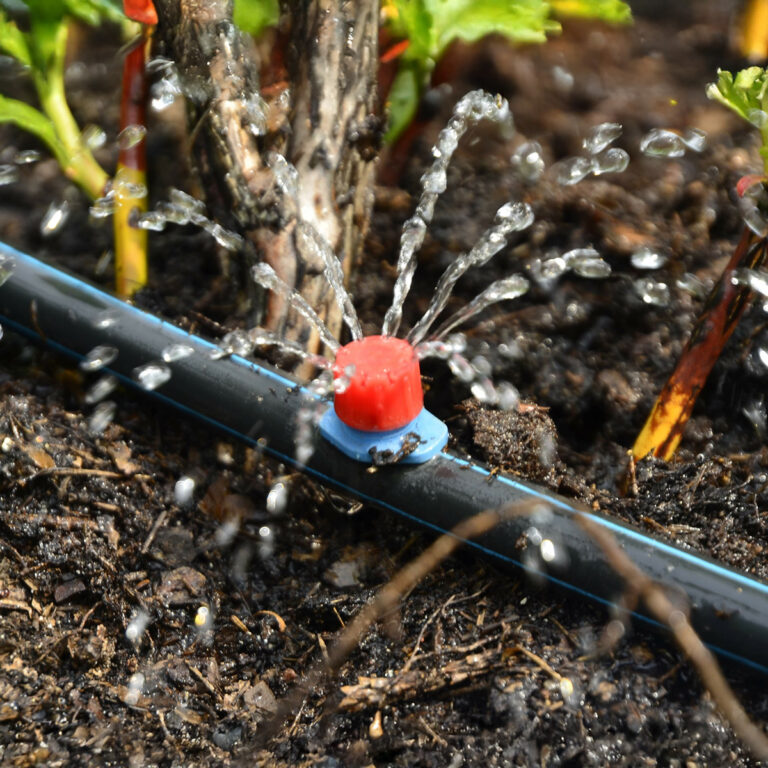
A drip irrigation system is one of the most efficient and budget-friendly ways to keep commercial landscapes lush, healthy and consistent. Compared to traditional sprinklers, drip irrigation systems deliver water exactly where it’s needed, helping reduce water use, conserve resources and lower long-term operating costs. What Is a Drip Irrigation System? A drip irrigation system is a low-volume irrigation method that delivers water directly to the root zone of plants through a network of pipes, tubes and emitters. A typical system includes: A main water source Primary supply lines Smaller distribution pipes Drippers or emitters placed near the base of each plant Because drippers are spaced at calculated intervals, water is applied slowly and evenly, reducing the risk of overwatering, underwatering and runoff. The result: healthier plants, less waste and a more predictable landscape. How a Drip Irrigation System Is Set Up While the basic concept is simple, a reliable drip irrigation system for commercial landscapes needs proper planning and technical know-how. At CSG Landscaping, our irrigation specialists handle the full process, including: Site & Layout Assessment Analysing the size and shape of your landscape Mapping plant zones, beds, lawns and high-priority areas Reviewing water pressure, supply points and elevation changes System Design & Pipe Layout Planning main lines, sub-lines and zones Ensuring appropriate pipe sizes, flow rates and coverage Designing for future expansion where needed Emitter Placement & Installation Installing drippers or emitters at the correct spacing Positioning each outlet close to root zones Securing lines and components to avoid damage or movement Connections & Controls Connecting drippers to the main pipe using adapters and couplers Installing filters, pressure regulators and valves Integrating timers or controllers for automated schedules Programming & Fine-Tuning Setting watering times, frequencies and zones Adjusting for plant types, soil conditions and seasons Testing the system

Read More

Indoor Plants for Cleaner Air: How to Improve Office Air Quality Naturally

Integrating indoor plants for cleaner air into your workspace is more than just a design trend; it’s a practical solution for that foggy, “low-energy” feeling that persists even when your sleep and training are on point. You’ve done everything right—hit the gym, optimised your diet, and rested well—yet you still find yourself staring at your monitor with a heavy head. The culprit is often right under your nose: the air you’re breathing. Why Indoor Air Can Make You Feel Run Down Indoor environments can concentrate pollutants more than we realise, especially in busy offices with limited airflow. When ventilation isn’t ideal, air can become stale and uncomfortable, and some people experience symptoms often linked to poor indoor conditions (sometimes referred to as “sick building” symptoms). This is where a well-designed indoor plant setup can make a noticeable difference. How Indoor Plants Support Cleaner, Fresher Workspaces Adding greenery doesn’t just “look nice”. The right indoor plants can support a better workspace by: Improving comfort through increased humidity in dry, air-conditioned offices Supporting overall well-being by making spaces feel calmer and less sterile Enhancing focus and mood, especially in high-stress environments Helping spaces feel fresher, particularly when paired with good cleaning and ventilation practices In short, indoor plants help create an office that feels more alive — and more pleasant to work in day to day. The Best Indoor Plants for Cleaner Air in Offices If your goal is indoor plants for cleaner air, choose hardy, office-friendly varieties that perform well under indoor lighting and can handle consistent traffic. Popular, proven options include: Snake Plant (Mother-in-law’s Tongue) – tough, low maintenance, great for offices Peace Lily – a favourite for reception areas and boardrooms Bamboo Palm – ideal for adding softness and volume to open spaces Aloe Vera – compact and easy

Read More

Indoor Plants for Offices: Inspire Your Team, Improve Wellbeing, Elevate Your Space

Indoor plants for offices are often treated as a “nice-to-have” — something to add later when budgets loosen, or stress levels drop. But in many workplaces, a considered indoor plant solution is one of the simplest ways to make the environment feel calmer, healthier, and more welcoming for both employees and visitors. Office life is busy. Priorities naturally focus on furniture, equipment, deadlines, and operations. The problem is that many offices aren’t designed for wellbeing: recycled air, artificial lighting, noise, and high-pressure routines all add up. Thoughtfully placed greenery helps soften that experience — visually, emotionally, and practically. Below are answers to the most common questions businesses ask when considering indoor plants for offices, and how to do it properly. Where can I get indoor plants for offices without the hassle? Buying indoor plants and feature pots in retail can get expensive quickly — and most businesses don’t want the added responsibility of ensuring plants survive week after week. That’s why many companies choose a managed office plant solution instead: Plant and pot selection suited to your space (light, airflow, layout, brand look) Delivery and installation Ongoing maintenance (watering schedules, pruning, feeding, pest control if needed) Replacement planning for plants that outgrow their containers or decline over time At CSG Landscaping, we supply and manage indoor plants for offices in a way that’s built for busy commercial environments — durable containers, hardy plant choices, and professional upkeep that keeps everything looking consistently sharp. What are the benefits of indoor plants for offices? Indoor plants don’t just “decorate” an office. They change how a space feels to work in — and that can impact performance and morale over time. Common benefits businesses notice include: A more welcoming environment for clients and visitors Improved employee comfort and overall well-being Reduced “sterile office”

Read More

Irrigation Systems: A Practical Guide for Commercial Landscapes

Irrigation systems are essential for maintaining healthy, consistent, and water-wise landscapes across commercial properties. A well-designed irrigation system does more than water plants. It delivers the right amount of water, at the right time, directly where it is needed. For estates, business parks, and sports fields, this means stronger root development, improved plant health, reduced water waste, and a landscape that performs reliably year-round. What Are Irrigation Systems and Why Do They Matter? An irrigation system is a structured network designed to distribute water efficiently across landscaped areas. When properly designed and installed, irrigation systems help to: Maintain consistent moisture levels across large areas Reduce overwatering and water wastage Support deeper root growth and stronger plants Improve overall landscape appearance and usability Lower long-term maintenance and water costs For commercial properties, this translates into a more controlled, cost-effective, and sustainable outdoor environment. Types of Irrigation Systems The right irrigation system depends on your site layout, soil conditions, and water availability. Below are the most common systems used in commercial landscaping: Surface Irrigation Surface irrigation uses gravity to move water across the soil surface. Best suited for: Large, open areas Agricultural or low-maintenance zones Considerations: Lower upfront cost Less precise water distribution Can be labour-intensive and inefficient in managed landscapes Overhead Sprinkler Irrigation Sprinkler systems distribute water under pressure, simulating natural rainfall. Best suited for: Lawns and sports fields Large commercial landscapes Areas requiring even coverage Considerations: Higher installation and energy costs Potential water loss through evaporation and wind drift Requires regular maintenance to maintain efficiency Drip Irrigation (Micro-Irrigation) Drip irrigation systems deliver water slowly and directly to the root zone. Best suited for: Garden beds, walkways, and entrances High-visibility areas Water-wise landscapes Benefits: Minimises evaporation and runoff Reduces the risk of plant disease Highly efficient and cost-effective over time Automatic

Read More