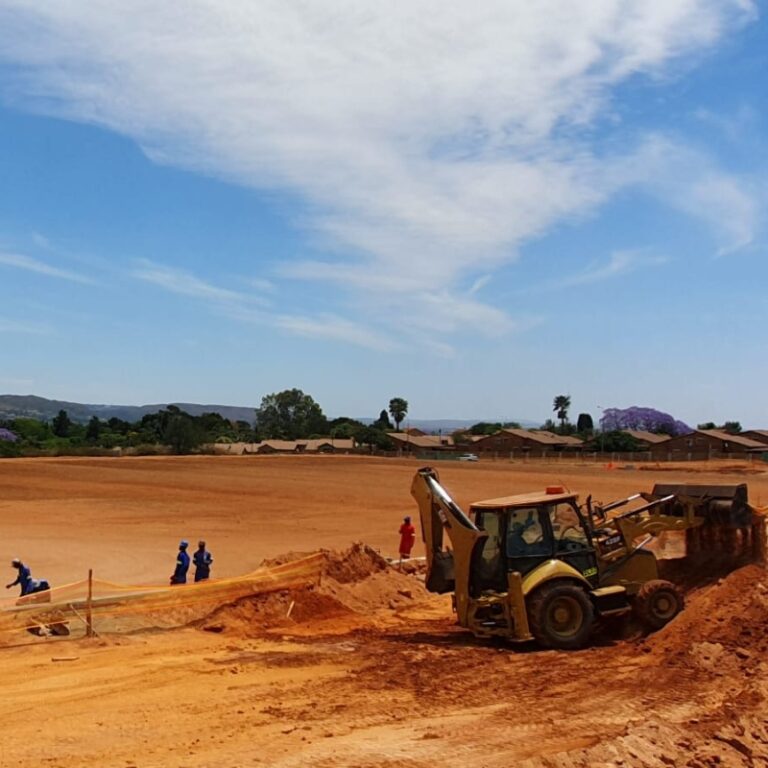
What is site clearance and why it matters before landscaping begins
Site clearance is often associated with removing vegetation or clearing debris, but its role is much broader than that. It gives contractors a clear understanding of the land they are working with, uncovers potential challenges before construction begins, and creates the conditions needed for a safe, efficient, and successful landscaping project. Although much of this work happens before the finished landscape starts to take shape, it can have a lasting influence on how well that landscape performs for years to come. According to research, inadequate planning remains one of the leading causes of project delays and budget overruns. Landscaping projects are no exception. Before paving is installed, irrigation is laid, or planting begins, the condition of the site has already started shaping the outcome of the project. What is site clearance? Site clearance is the process of preparing land before landscaping or construction work begins. The work required depends on the condition of the property. A recently completed development may need building rubble and construction waste removed, while an older site may require the clearance of dense vegetation, invasive plants, damaged trees, or existing hard landscaping before work can begin. A typical site preparation project may include: Removing unwanted vegetation and invasive plant species Clearing rubble, litter, and construction debris Removing dead, diseased, or hazardous trees Demolishing unwanted walls, paving, or small structures Levelling areas where necessary Creating safe access for machinery and project teams Identifying underground or surface obstacles that could affect the landscaping works By the time the site is ready, contractors have a safer working environment and a much clearer understanding of the conditions that could influence the landscaping project. Preparing the ground for a successful landscaping project Hidden drainage problems, buried rubble, abandoned infrastructure, and extensive root systems often remain invisible until work begins. Discovering these