CSG LANDSCAPING INSIGHTS

Find all the latest CSG Landscaping news and insights below.

La Vie Nouvelle Landscape and Wetlands

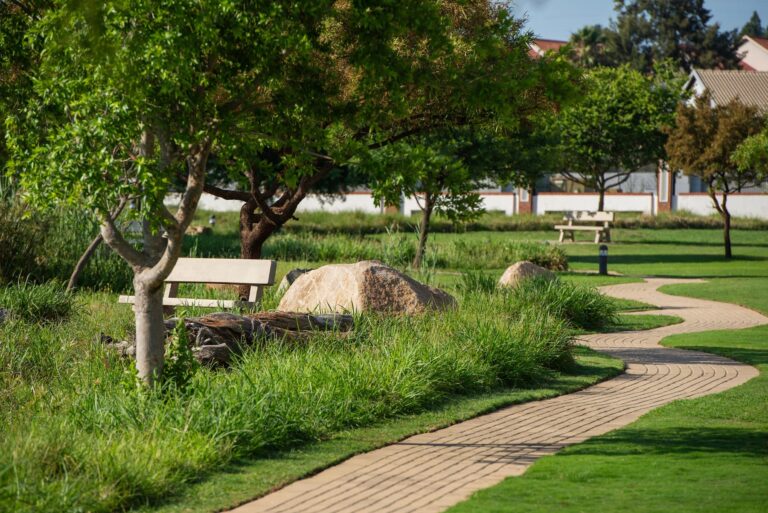
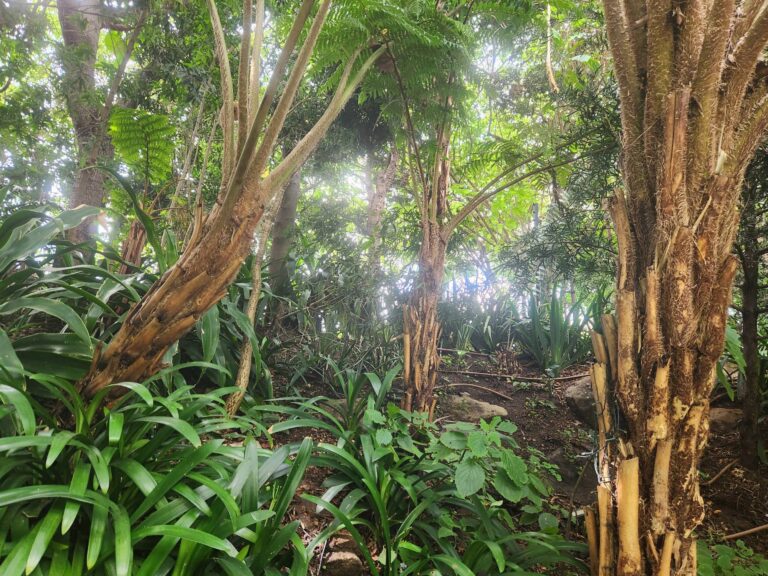
La Vie Nouvelle landscape and wetlands show how a retirement estate can be more than just a place to live — it can be a place to feel alive. For many people, retirement is something to look forward to, but the transition can also bring uncertainty: a slower routine, fewer daily touchpoints, and the question of how to stay active and connected. La Vie Nouvelle (meaning “New Life” in French) leans into that new chapter by inviting residents outdoors. The estate’s natural areas and wetland landscape create calm, interest, movement, and moments of connection — all the things that make day-to-day life feel rich. Why Nature Matters in Retirement Living Time outdoors supports both physical and mental well-being — and the most powerful part is that it’s accessible. It doesn’t require intense exercise or major lifestyle shifts. Simple daily routines like walking, sitting outside, and spending time near green spaces can help residents feel better, move more, and stay engaged with their environment. La Vie Nouvelle has created the kind of setting that makes that easy: pathways, shaded areas, water features, wildlife, and outdoor spaces that feel safe, welcoming, and worth exploring. The La Vie Nouvelle Wetland Landscape A standout feature of this project is the wetland area — designed around an existing wetland on the property. The goal wasn’t to “over-develop” it, but to shape it in a way that supports stormwater management, protects the ecosystem, and creates a beautiful, walkable outdoor experience for residents. CSG Landscaping supported the installation work on the wetland area with a focus on practical implementation and environmental sensitivity. Work included elements such as: Shaping and hydroseeding to establish ground cover and stabilise surfaces Stone pitching to reduce erosion and strengthen banks Gabion construction where reinforcement and structure were required Planting and paving aligned
Read More

Large-Scale Indigenous Landscaping for Water-Wise Commercial Properties

Indigenous landscaping is one of the smartest ways to ensure your office property reflects your company’s values — inside and out. If being water-conscious and environmentally responsible matters to your business, choosing indigenous plants is a natural fit. South Africa is home to a wealth of beautiful native species that thrive in our climate and diverse terrains, many of them naturally adapted to warmer temperatures and arid conditions. The key to successful, water-wise indigenous landscaping is selecting plants that are naturally suited to your region. When planning a large commercial landscape, your company’s location, rainfall patterns, and soil type should all guide the plant palette and overall design. Indigenous Landscaping: Top Plant Picks For large-scale corporate landscapes, a layered planting approach works best — combining groundcovers, herbaceous perennials, shrubs and trees to create structure, texture and year-round interest. 1. Fill Bare Spaces with Water-Wise Groundcovers Aptenia cordifolia This hardy succulent forms a dense, vibrant green mat with pretty pink flowers. It’s an excellent lawn alternative in selected areas, ideal for slopes and zones prone to erosion and runoff in office parks and estates. Bulbine Bulbine varieties are outstanding groundcovers for commercial settings. With fleshy leaves and bright yellow or orange star-shaped flowers, they bring colour and resilience. Planted at the base of young trees, Bulbines help with moisture retention — a big win for water-conscious landscape design. Asparagus densiflorus This drought-tolerant bedding plant performs well in semi-shaded areas. Meyersii (Foxtail Fern) has upright, foxtail-like fronds that add texture. Sprengeri is typically used as a spreading groundcover, helping to stabilise soil and prevent erosion. 2. Add Herbaceous Perennials for Seasonal Colour Dietes A familiar, grass-like plant that is both hardy and drought-resistant. Dietes grandiflora has striking white flowers. Dietes bicolour offers soft yellow blooms. Both work beautifully in mass plantings along

Read More

Hardscaping: Low Maintenance Hardscaping Ideas for Breathtaking Premises

If you’re looking for low maintenance hardscaping ideas that instantly elevate a property, you’re in the right place. Hardscaping is one of the fastest ways to make an outdoor space feel intentional, premium, and “finished” — without signing up for constant mowing, watering, weeding, and ongoing upkeep. At CSG Landscaping, we’ve seen how something as simple as a well-placed pathway or a clean-edged patio can transform a site from “fine” to “wow”. And the best part? Many hardscape features look great simply by existing — with very little day-to-day maintenance. Why hardscaping works so well Hardscaping adds structure and outdoor “architecture” to your premises. It creates flow, defines spaces, improves usability, and boosts curb appeal — while reducing the amount of high-maintenance soft landscaping you need to manage. Most hardscaped features require minimal ongoing attention compared to lawns and planting beds, and they: reduce weeding and watering demands minimise muddy areas and erosion improve access and usability (especially in high-traffic zones) create a more polished, professional first impression Our favourite low maintenance hardscaping ideas that have the largest impact Decking that holds up in real life Decking creates clean, functional outdoor areas — especially on sloped sites or multi-level spaces. Timber decking can work beautifully if it’s properly sealed and protected. With the right treatment, maintenance is usually limited to periodic cleaning and occasional resealing. Composite decking is a popular low-maintenance option. It’s durable, weather-resistant, and ideal for higher-traffic areas where you want a smart look without ongoing fuss. Patios that connect indoor and outdoor spaces A patio is one of the simplest ways to create an “outdoor room” — a space that feels purposeful, usable, and easy to maintain. Depending on your aesthetic and usage needs, patio surfaces can include: stone or brick pavers or tiles gravel with edging

Read More

Planthoppers are winning the war against water hyacinth (with a little help from CSG)

Planthoppers are winning the war against water hyacinth — and in South Africa, this invasive aquatic weed has become a serious threat to dams, rivers, and the ecosystems and communities that rely on them. Originally from the Amazon Basin, water hyacinth spreads rapidly in nutrient-rich water, forming dense mats that can completely cover the surface. That blanket blocks sunlight, reduces oxygen levels, and disrupts aquatic life. What makes water hyacinth especially difficult to manage is its persistence: its seeds can remain viable in the soil for more than 20 years. We’ve seen the damage this can cause in high-profile areas like Hartbeespoort Dam and the Vaal River — and other water bodies have faced ongoing pressure too, including Benoni’s Middle Lake and Civic Lake. The good news? A surprisingly effective biological solution is making a measurable difference — and it comes in the form of tiny insects doing big work. What is a planthopper? Adult planthoppers (scientific name: Megamelus scutellaris) are small sap-sucking insects — roughly 3mm long — ranging in colour from pale cream to dark brown. But their size is misleading. These planthoppers feed by piercing the plant tissue and drawing sap from the hyacinth. In the process, they damage the cells and weaken the plant structure. Over time, the water hyacinth begins to rot and sink — and once that breakdown starts, regrowth becomes far less likely. It’s a biological “pressure system” that steadily reduces the weed’s dominance without the same environmental trade-offs that can come with heavy chemical intervention. Even better: planthoppers can be mass-reared. That means they can be grown in large quantities at dedicated rearing stations and released repeatedly where infestations are severe — increasing long-term impact. The role of planthopper rearing facilities To make biological control successful, you need more than the insect

Read More

Rooftop Landscaping: Maximise Use of Space in Urban Properties

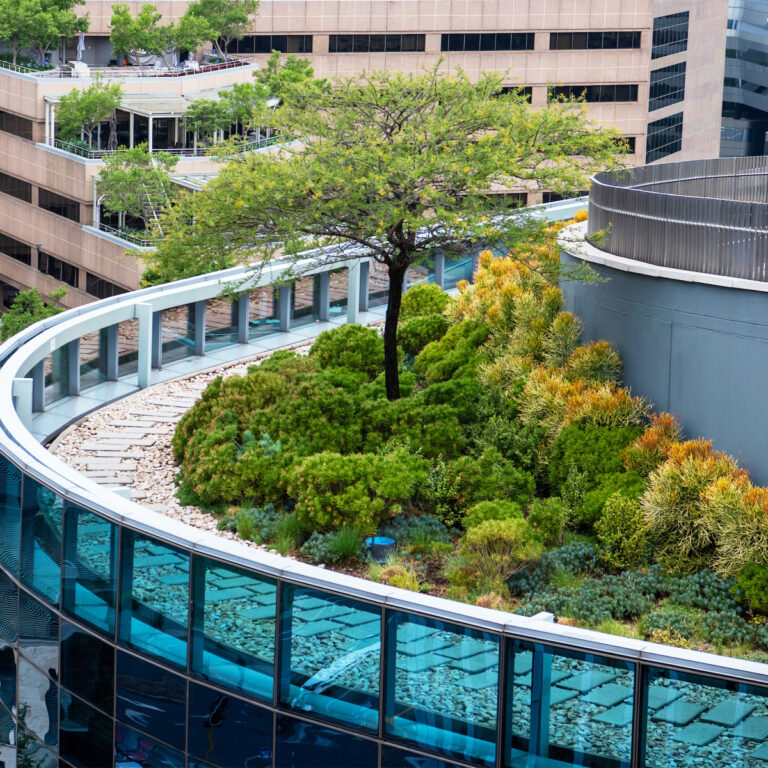
Rooftop landscaping is one of the smartest ways to unlock extra space on urban properties – especially where ground-level gardens are limited or non-existent. For student accommodation developments, mixed-use buildings and city apartments, a well-designed rooftop can become a safe, social and functional outdoor area that adds real value to the property. A great example is Apartments on William in Pretoria: secure, comfortable accommodation for out-of-town students attending nearby tertiary institutions. In a busy, high-energy city, parents want reassurance that their children have access to safe spaces that support both study and a healthy social life. Rooftop landscaping helped this development deliver exactly that. Why Rooftop Landscaping Works So Well In multi-storey buildings, outdoor space is at a premium. Rooftop landscaping allows you to: Maximise usable space by turning a bare roof slab into a functional outdoor area Create safe social zones for residents to relax, braai and connect Increase perceived value of the property with lifestyle-focused amenities Introduce greenery where traditional gardens aren’t feasible For Apartments on William, the rooftop was the only significant outdoor area available – so it was turned into a vibrant, student-friendly communal space. Designing a Rooftop Landscape for Student Living Because the development is geared towards young people, the rooftop needs to support: Socialising and relaxing Informal gatherings and braais Everyday downtime with a view A well-designed rooftop landscaping solution for student living can include: Braai facilities for safe, designated cooking and entertaining Artificial turf to create soft, usable “green” zones without high maintenance Colourful, contemporary pots to introduce character and greenery Thoughtful layout to keep the space open, comfortable and easy to move through The elevated views over Brooklyn and the surrounding cityscape add to the sense of space, making a rooftop like this feel both expansive and inviting. Overcoming the Practical Challenges

Read More

Save Water at Work and Maintain a Thriving Business

You don’t have to sacrifice speed to save water at work; in fact, high-efficiency water management often lowers overhead and boosts your bottom line. Water is a precious resource in South Africa, and businesses play a meaningful role in protecting it. The good news? Creating a water-wise workplace doesn’t require massive changes — it starts with practical upgrades, better habits, and consistent maintenance. 5 Practical Steps to Save Water at Work 1) Start with water-efficient building installations If your goal is to reduce water usage in the office, efficient fixtures are one of the quickest wins. Consider upgrades such as: Water-saving taps or aerators Sensor or auto-flush systems (where appropriate) Low-flow fittings in restrooms and kitchens Beyond conservation, these solutions can also improve hygiene and reduce unnecessary run time. 2) Use water-wise cleaning methods Professional commercial cleaning teams can help reduce water consumption through better processes and the right tools. At CSG Landscaping, water efficiency forms part of how we approach commercial cleaning. Methods such as microfiber systems, controlled water dispensing, targeted spot-cleaning, and correct chemical dilution can significantly reduce water usage while still maintaining high hygiene standards. If you’d like to improve your site’s cleaning efficiency, speak to our team about a cleaning programme designed for your facility and operating hours. 3) Save water through smarter landscaping and irrigation Irrigation If your property uses irrigation, ensure the system is set up correctly and maintained consistently. Simple improvements can make a big difference: Water only where needed (avoid overspray onto walkways and hard surfaces) Repair leaks and misaligned heads quickly Adjust schedules seasonally Prioritise plant zones with real water needs Water-wise landscaping principles A water-wise workplace landscape starts with design. Consider: Indigenous and drought-tolerant plant palettes Hydrozone planning (grouping plants by watering needs) Mulching beds to reduce evaporation and improve

Read More

Seasonal pest control tips for landscaping: safeguard your outdoor spaces

Seasonal pest control tips for landscaping are essential for facilities managers who want to maintain clean, safe, and pest-resistant outdoor environments. Why? Because unmanaged landscapes can become breeding grounds for ants, flies, rodents, and insects that eventually find their way indoors — posing health hazards, damaging property, and tarnishing your business image. Whether it’s termites damaging wooden structures, rodents nesting in overgrown vegetation, or birds roosting in gutters, your landscape isn’t just about aesthetics — it plays a critical role in pest prevention. With pest behaviour changing each season, being proactive with your exterior spaces is your best defence. Why seasonal pest control tips for landscaping matter Landscapes attract pests because they offer everything pests need to survive — food, water, warmth, and shelter. And in South Africa, where our seasonal changes are significant, pest activity shifts dramatically throughout the year. From summer’s mosquito and ant infestations to winter’s sneaky rodent hideouts, seasonal pest control tips for landscaping help facility managers protect both the outdoor environment and the building itself. As always, prevention is more affordable — and effective — than cure. Spring & Summer: Pest hotspots in your landscapes As temperatures rise, your gardens, walkways, and green areas become bustling with pest activity. Moist soil, mulch beds, and dense foliage create the perfect conditions for pests to multiply. Common warm-weather landscape pests: Ants nest in paving cracks, lawns, and garden beds — often making their way inside through landscape connections. Cockroaches hide under mulch, compost bins, and damp shaded areas near buildings. Mosquitoes breed in standing water — birdbaths, blocked gutters, and neglected planters. Birds nest in roof eaves, gutters, and overgrown trees, leaving hazardous droppings. Common warm-weather landscape pests: Keep grass, trees, and shrubs trimmed to eliminate hiding places for pests. Reduce standing water in ponds, gutters, and

Read More

Sports Ground Specialists To Up Your Game

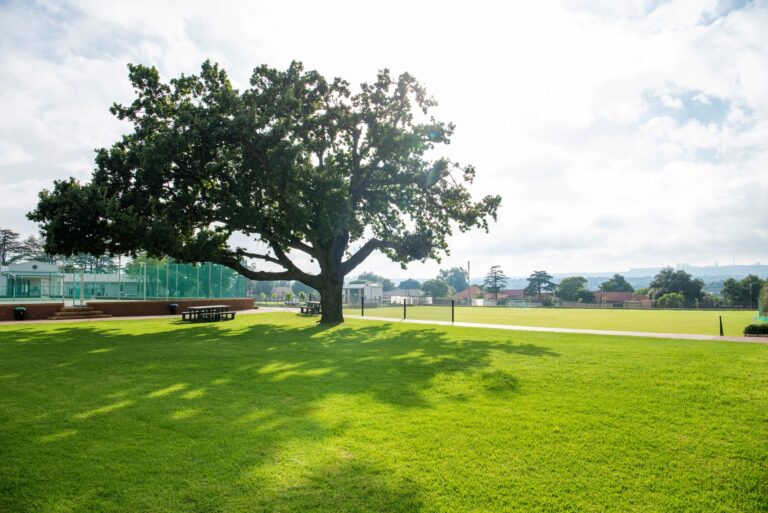
CSG Landscaping: Your Sports Ground Specialists We’re sports ground specialists focused on building and maintaining surfaces that stay match-ready all season long. Sports fields are the unsung heroes of the game, and that’s why at CSG Landscaping, we take a specialist approach. When a field is built and maintained properly, it fades into the background — exactly as it should. Its job is to support safe play, consistent ball roll, reliable footing, and a surface that performs the way athletes expect. That level of performance doesn’t happen by chance. It’s the result of the right turf selection, the right construction foundations, and a disciplined maintenance schedule. And even with a solid plan, sport surfaces still face constant pressure: heat stress, wear patterns, compaction, pests, disease, and drainage issues. One overlooked detail can lead to bare patches, uneven footing, cancelled matches, and frustrated players — all of which can impact bookings, revenue, and reputation. Spring Is the Reset Button for Sports Turf As temperatures rise and usage increases, spring is the ideal time to assess field conditions and tighten up your sports turf plan. Sports season is when small issues show up fast — and when proactive maintenance has the biggest payoff. A quality field is an investment. When it’s maintained properly, it supports better play, fewer injuries, stronger facility perception, and more consistent use. Turf Choices That Perform Under Pressure The best sports turf varieties are selected for traffic tolerance, drought resilience, recovery speed, heat performance, and maintenance practicality — because sports fields can’t be “high maintenance”. Here are a few turf options that perform well in South African conditions: Artificial Turf Artificial turf is increasingly popular for high-use fields where consistency and reduced downtime matter most. Key benefits include: no mowing or fertilising minimal weekly upkeep (brushing, debris removal,

Read More

Spring Building Maintenance: Add Years To Your Property

With spring rapidly approaching, property owners should consider adding spring building maintenance tasks to their checklist. Maintenance isn’t just seasonal – it should be top of mind year-round – but a seasonal checklist helps ensure all the essential care is covered in a 12-month cycle. Tips to Add to Your Spring Building Maintenance Checklist Making your property look inviting and attractive is important. Here are some essential Spring Building Maintenance tasks to add to your list: Gutters Cleaning Signage Parking Areas Windows Air-conditioning Landscaping and Garden Cleanup Declutter the Office These spring building maintenance tasks create a cleaner, safer and more welcoming environment for everyone who visits your property. Gutters Gutters are often overlooked, and even though you may have cleaned them during winter, it’s worthwhile to check that they’ve remained clear of debris. Taking an hour or two to give the gutters a thorough cleaning and wash them down with high-pressure water is time well spent and a smart part of your maintenance routine. Cleaning The exterior of the building may still be looking good, but it’s not as clean as you might think. Washing the walls with high-pressure water can dramatically change the appearance and return the building to its once newly painted look. Spring cleaning isn’t just for residential properties; it applies to business owners, too. If you want to get your business on track for success, make a good deep clean part of your yearly routine. Signage Give your signage the spruce-up it needs with a wash, or consider updating or adding new signage altogether. It’s a truism that “first impressions count” – what is the value of having a clean building exterior if the small details, such as signs and road markings on your property, are unkempt? Parking Areas Parking areas may need maintenance and

Read More